




.webp)
One Cold Night Could Flood Your Rental. Here's How to Stop It
The phone buzzes at 6 a.m. on a January morning. Your tenant is standing in an inch of water because a kitchen supply line split overnight when temperatures off Lake Erie plunged into the single digits. Suddenly you're juggling a plumber, a water cleanup crew, an insurance claim, and a resident who can't use their kitchen.
Frozen pipes are one of the most expensive problems Northeast Ohio landlords face, and one of the most preventable. A handful of simple, low-cost steps taken before and during a deep freeze can protect your property, your tenants, and your cash flow.
At Haven Group Property Management, we've spent more than 11 years caring for over 1,700 homes across Greater Cleveland and Greater Akron. This guide walks you through the prevention steps that matter most, what to do if a pipe freezes anyway, and how to prepare your tenants before the first cold snap arrives.
Key Takeaways
Keep the heat on at 55°F or higher. Steady heat is your first line of defense, even when a unit is vacant or tenants are traveling.
Let warm air reach vulnerable pipes. Opening cabinet doors under sinks on exterior walls helps prevent freezing.
Keep water moving during deep freezes. A slow drip from faucets on exterior walls relieves pressure and reduces freeze risk.
Insulate and winterize. Foam pipe insulation and insulated spigot covers protect lines in basements, crawl spaces, garages, and outdoors.
Act fast if a pipe freezes. Use gentle heat, never an open flame, and call a licensed plumber before a frozen pipe becomes a burst pipe.
Why Northeast Ohio Rentals Face Higher Risk
Northeast Ohio winters bring lake-effect snow, sudden temperature swings, and long stretches below freezing. Many rental homes in Cleveland, Parma, Lakewood, Euclid, and Akron were built decades ago, with plumbing that runs along exterior walls or through unheated basements and crawl spaces.
When water freezes, it expands and builds pressure inside the pipe. That pressure can split copper or plastic lines, and the real damage often shows up once the ice thaws and water starts flowing through the crack.
For landlords, the stakes go beyond the repair bill. Under Ohio Revised Code Section 5321.04, landlords must keep the plumbing and heating fixtures they supply in good and safe working order. A burst pipe can leave a unit unlivable, interrupt rent, and put a strain on an otherwise great tenant relationship.
Five Prevention Steps Every Landlord Should Take
Keep the Thermostat at 55°F or Higher
Heat is the single most important factor in preventing frozen pipes. The thermostat should stay at 55°F or higher at all times, even if tenants leave for the holidays.
For vacant units or properties where tenants travel often, smart thermostats let you monitor indoor temperatures remotely and get an alert if the heat drops. It's a small investment that can prevent thousands of dollars in water damage. Consider adding a clear lease clause requiring tenants to keep heat at a minimum temperature throughout winter.
Open Cabinet Doors Under Exterior-Wall Sinks
Kitchen and bathroom sinks on outside walls are some of the most common trouble spots. Closed cabinet doors trap cold air around the pipes and block warm air from reaching them.
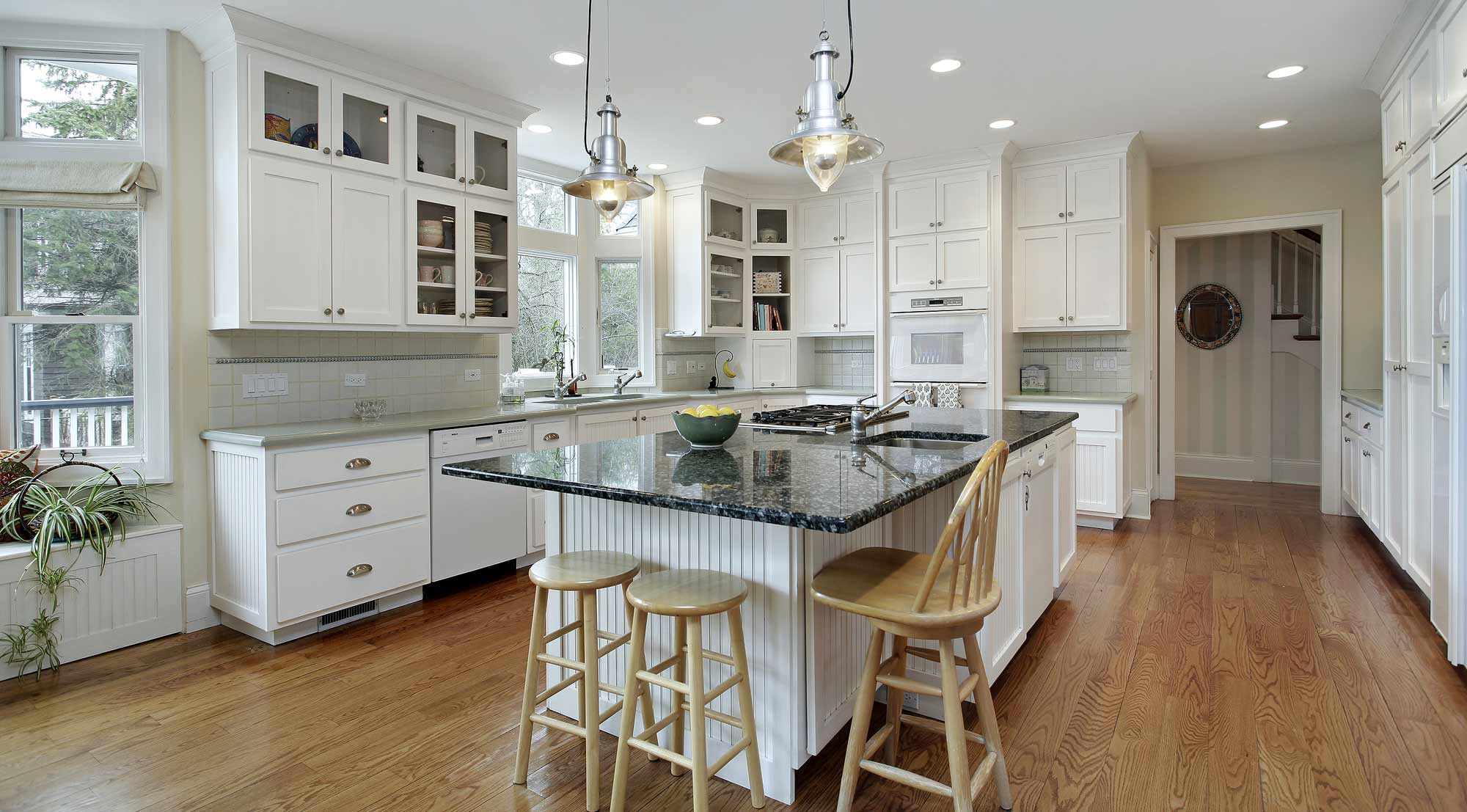
Ask tenants to open these cabinet doors during cold spells so warm air from the home can circulate. It costs nothing and works surprisingly well.
Let Faucets Drip During Deep Freezes
Moving water is much harder to freeze than still water. During extreme cold snaps, faucets connected to exterior walls should maintain a slow, steady trickle to keep water moving and relieve pressure in the line.
Keep an eye on the National Weather Service Cleveland forecast so you can send tenants a reminder before a hard freeze rolls in. A timely text often makes the difference.
Insulate Exposed Pipes in Unheated Spaces
Pipes running through basements, crawl spaces, and garages are highly exposed. Wrapping them in foam pipe insulation is an affordable fix most landlords can handle before winter starts.
While you're there, look for drafts. Sealing gaps near pipe penetrations, foundation vents, and rim joists keeps cold air away from your plumbing and improves energy efficiency, too.
Winterize Outdoor Spigots and Hoses
Outdoor faucets are often the first to freeze. Before the first frost, disconnect, drain, and store all garden hoses, then cover outside spigots with insulated foam covers.
A hose left attached can trap water inside the spigot and the pipe behind it, leading to a hidden crack inside the wall that isn't discovered until spring.
Prepare Your Tenants Before Winter Hits
Your tenants are the people most likely to notice a problem first, so clear communication is essential. Send a fall winterization reminder that covers thermostat settings, cabinet doors, dripping faucets, and how to spot early warning signs like low water pressure or frost on exposed pipes.
Make sure every tenant knows where the main water shutoff is and how to report an urgent issue right away. Strong leasing management practices for Cleveland rentals keep that communication consistent, and sharing official guidance like Ready.gov's winter weather preparedness tips reinforces your message.
Building winter checks into a streamlined rental management process helps ensure these steps happen every year, not just after a costly lesson.
What to Do If a Pipe Freezes Anyway
Act Quickly
If a faucet produces only a trickle or no water at all during a freeze, assume the pipe is frozen. Don't wait for it to thaw on its own, as that dramatically increases the risk of a burst and major water damage.
Apply Safe, Gentle Heat
Open the affected faucet, then use a hair dryer or portable space heater to gently warm the pipe, starting from the faucet end and working toward the frozen section. Never use an open flame, propane torch, or blowtorch to thaw a pipe. Never leave a space heater unattended.
Call a Licensed Plumber
If you can't locate or reach the frozen section, call a professional. Plumbers in Cleveland and Akron often use a pipe-thawing machine that runs an electrical current through frozen metal pipes to thaw them safely. If a pipe has already burst, shut off the main water supply immediately, photograph the damage, and contact your insurance provider.
How Professional Management Takes Winter Off Your Plate
Winter maintenance is a lot to manage, especially if you own multiple properties or live outside Northeast Ohio. Our Cleveland property management services include proactive maintenance coordination and tenant communication, so small issues get handled before they turn into emergencies.
We back our work with clear property management guarantees, and you can see how local owners feel about our approach in our client testimonials and reviews.
Frequently Asked Questions
Who pays for frozen pipe damage in an Ohio rental?
It depends on the cause, the lease terms, and your insurance coverage. Landlords are generally responsible for maintaining plumbing and heating systems, but if a tenant's negligence, such as shutting off the heat, caused the freeze, responsibility may shift. Review your lease and policy language before winter.
What temperature should a vacant rental be kept at in winter?
Keep vacant units at 55°F or higher and check on them regularly, especially during cold snaps. For longer vacancies, talk with a licensed plumber about whether draining the water lines makes sense for your property.
When should tenants start dripping faucets?
Pipes in unheated or exterior-wall areas face the greatest risk when outdoor temperatures drop to around 20°F or below, especially overnight. Encourage tenants to drip faucets on exterior walls whenever a hard freeze is in the forecast.
Protect Your Property Before the Next Deep Freeze
Frozen pipes don't have to be part of owning a rental in Northeast Ohio. Keeping the heat on, insulating vulnerable lines, keeping water moving, and preparing your tenants can save you from costly repairs and stressful emergency calls.
Haven Group Property Management helps landlords across Greater Cleveland and Greater Akron stay ahead of seasonal maintenance with worry-free management. Call us at 216-586-2489 or Contact Us today to schedule a consultation and learn more about our property management services.
